

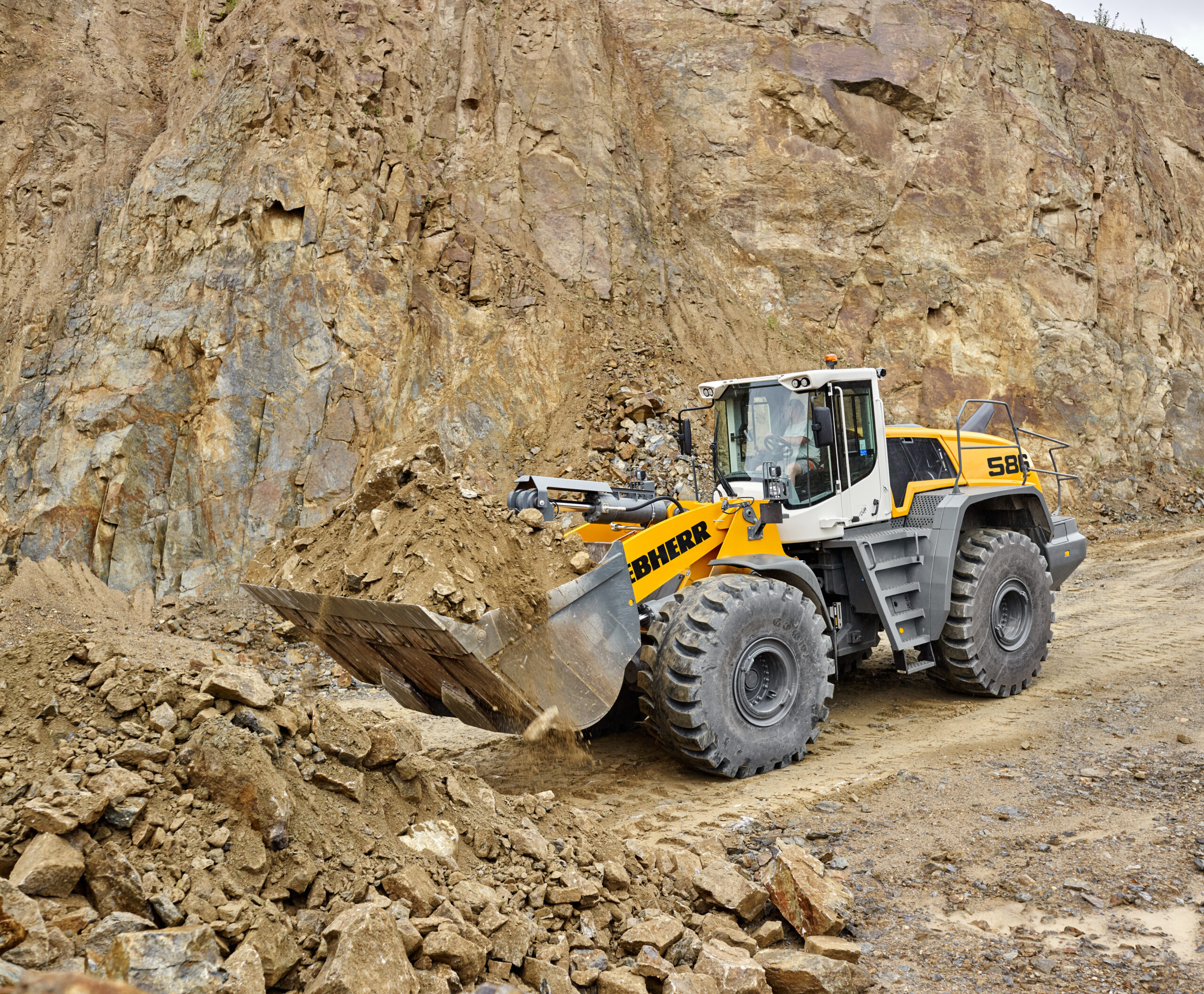
AK Machine Data Cluster 1 Earthmoving Equipment

Goals
The overarching goal of the Earth-moving Machinery cluster is to create a unified understanding of the definitions in ISO 15143. In the ISO standard, parameters are sometimes not regulated concretely enough. This creates room for interpretation, allowing for different definitions on the part of the OEMs, and thus causing corresponding isolated solutions (data silos) on the part of the users.
This makes meaningful use, cross-manufacturer comparison, and connection of machine condition data to internal systems and processes very difficult or impossible for machine users.
To increase the usability and application possibilities of the data, the parameters and their meanings must be regulated in detail and clearly, together with all stakeholders, from the manufacturer and service provider to the end user.
This will create a clear added value for the user regarding the machine status data defined in ISO 15143-3. Manufacturers will thus benefit from the possibility of targeted and manufacturer-independent definitions. This will create standards and consequently avoid isolated solutions and individual interpretations by manufacturers.
The elaboration was carried out taking into account the following two requirements:
- The ISO standard is the guideline, and there must be no alteration of existing fixed definitions.
- The definitions refer to the OEM server's data interface. Data acquisition and data transmission to and from the machine are not part of this cluster.
Outlook
Since ISO 15142-3 currently only contains machine status data, the required quality and process data for earthmoving machines will be developed in the next step. The goal is to define the required metrics clearly and unambiguously. This information is of great importance for the user in order to further optimize construction site processes. To this end, it is necessary to define machine types such as excavators, wheel loaders, or bulldozers and consider them separately. For each machine type, main activities will be defined, and the required data fields, including descriptions and measurement accuracies (query frequency, unit), will be defined accordingly.
 German
  English